Research · Uncategorized
Buffett Indicator (Market Cap to GDP)
Market Structure & Valuation
The Buffett Indicator Explained (Market Cap to GDP)
The Buffett Indicator is one of the simplest — and most misunderstood — valuation tools in macro investing.
It compares the total value of the stock market to the size of the economy that supports it.
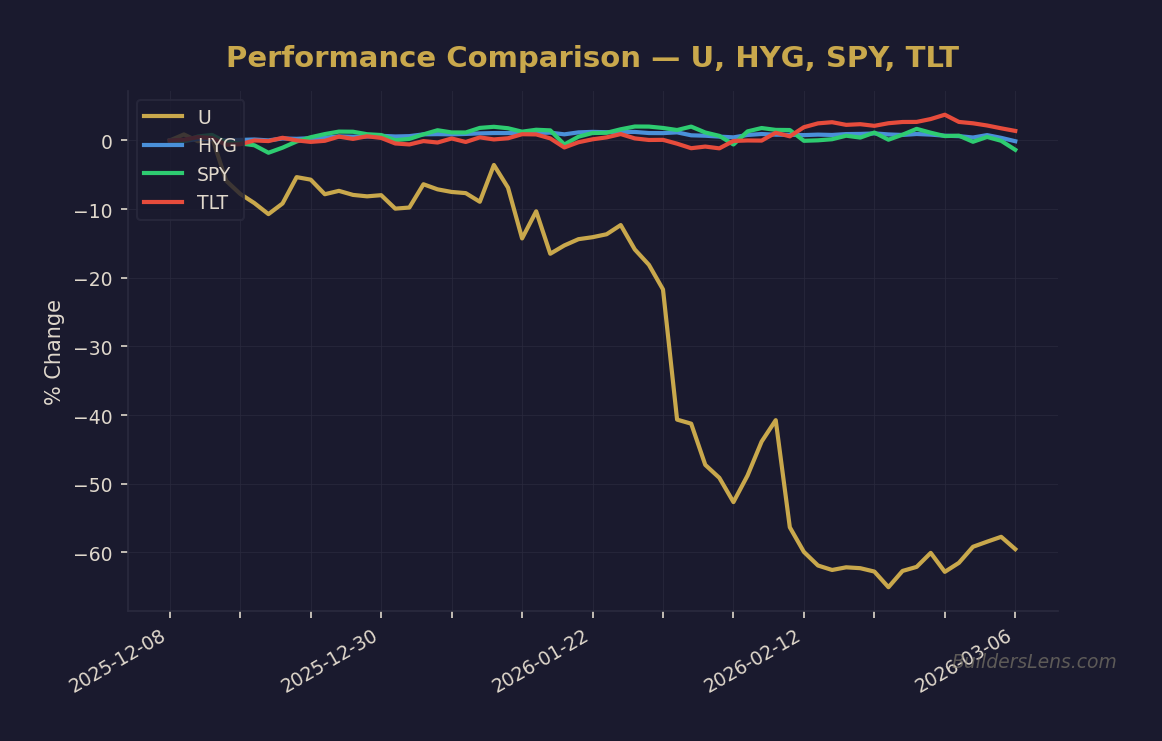
Source: BuildersLens.com Signal Framework | Data as of March 08, 2026
Warren Buffett once called it “probably the best single measure of where valuations stand at any given moment.”
But like most macro indicators, it is often misused as a timing tool instead of a risk framework.
What Is the Buffett Indicator?
At its core, the Buffett Indicator compares:
- Total U.S. stock market capitalization
- U.S. Gross Domestic Product (GDP)
In plain English:
it asks whether the value investors are assigning to companies
is reasonable relative to the economy’s ability to generate income.
When market value grows far faster than GDP,
future returns tend to fall and downside risk rises.
Why It Matters (Without the Math)
Companies ultimately earn money from the real economy.
When the market’s price rises much faster than economic output,
something has to give:
- Growth expectations must stay unrealistically high
- Margins must remain permanently elevated
- Or valuations must eventually reset
The Buffett Indicator does not say when a reset will occur.
It tells us how painful that reset could be if conditions change.
How the Buffett Indicator Fits the Five Phases
BuildersLens does not use the Buffett Indicator as a trading signal.
We use it as a structural risk gauge across the macro cycle.
Phase 0 — Post-Crisis Expansion
Valuations are typically compressed.
The Buffett Indicator is low and rising.
Forward returns are asymmetric and attractive.
Phase 1 — Melt-Up / Liquidity Illusion
This is where the Buffett Indicator often reaches extremes.
Asset prices inflate faster than economic output,
fueled by liquidity, narratives, and multiple expansion.
High readings here do not cause markets to fall —
they amplify the damage when conditions change.
Phase 2 — Crack Formation
As growth expectations soften and credit tightens,
elevated valuations become fragile.
Markets may stall even without a visible crisis.
Phase 3 — Forced Liquidation
Valuation compression accelerates.
The Buffett Indicator falls rapidly —
not because GDP improves,
but because asset prices reset.
Phase 4 — Reset / Accumulation
This is where the indicator becomes most useful again.
Lower valuations combined with improving liquidity
create long-term opportunity.
How This Indicator Is Commonly Misused
- Assuming high readings mean an immediate crash
- Ignoring liquidity and credit conditions
- Using it as a short-term timing tool
History shows valuations can remain elevated for long periods —
especially during Phase 1 —
as long as liquidity and credit remain supportive.
Where We Are Today (Context, Not Prediction)
Coming out of a prolonged liquidity-driven expansion,
the Buffett Indicator remains elevated by historical standards.
This does not imply an imminent crash.
It does imply that future returns are more sensitive
to changes in credit, growth, and policy effectiveness.
In BuildersLens terms,
elevated valuations increase the probability
that Phase 2 and Phase 3 transitions are more damaging
when they arrive.
What Would Invalidate This Signal?
- Sustained real economic growth that justifies higher valuations
- Structural productivity gains that permanently lift GDP
- A regime of stable credit expansion without balance-sheet stress
Until those conditions are proven durable,
elevated valuation metrics remain a risk amplifier.
Bottom Line
The Buffett Indicator does not tell us what will happen next.
It tells us how much room for error the system has.
In the Five Phases framework,
it is most useful as a context tool —
shaping expectations for volatility, drawdowns,
and opportunity when the cycle turns.
Get the Daily Phase Brief
Signal changes, data releases to watch, and today’s regime assessment — delivered every morning before market open.
Join investors tracking the macro cycle. Unsubscribe anytime.
📊 Run Your Own Analysis
Use the BuildersLens 65-Signal Analyzer for live macro positioning:
→ Analyze HYG (High Yield Credit)
This article is for educational and informational purposes only and does not constitute investment advice. Past performance is not indicative of future results. Consult with a qualified financial advisor before making investment decisions.