Research · Narrative Translation
Housing Corrections Are About Clearing, Not Forecasts

Housing Corrections: Mechanisms Behind Local Price Declines
Recent housing commentary has focused on lists of cities where prices may decline during twenty twenty six. Our Strategy treats those lists not as forecasts to trade, but as prompts to examine the mechanisms driving housing market clearing.
The videos above highlight several metropolitan areas experiencing rising inventory, longer days on market, and widening price cuts. These signals indicate that housing supply is beginning to exceed demand in certain regions. When that shift occurs, the market transitions from buyer competition toward seller competition, and price becomes the clearing variable.
Our Strategy focuses on those clearing mechanisms rather than the narrative framing of individual city forecasts.
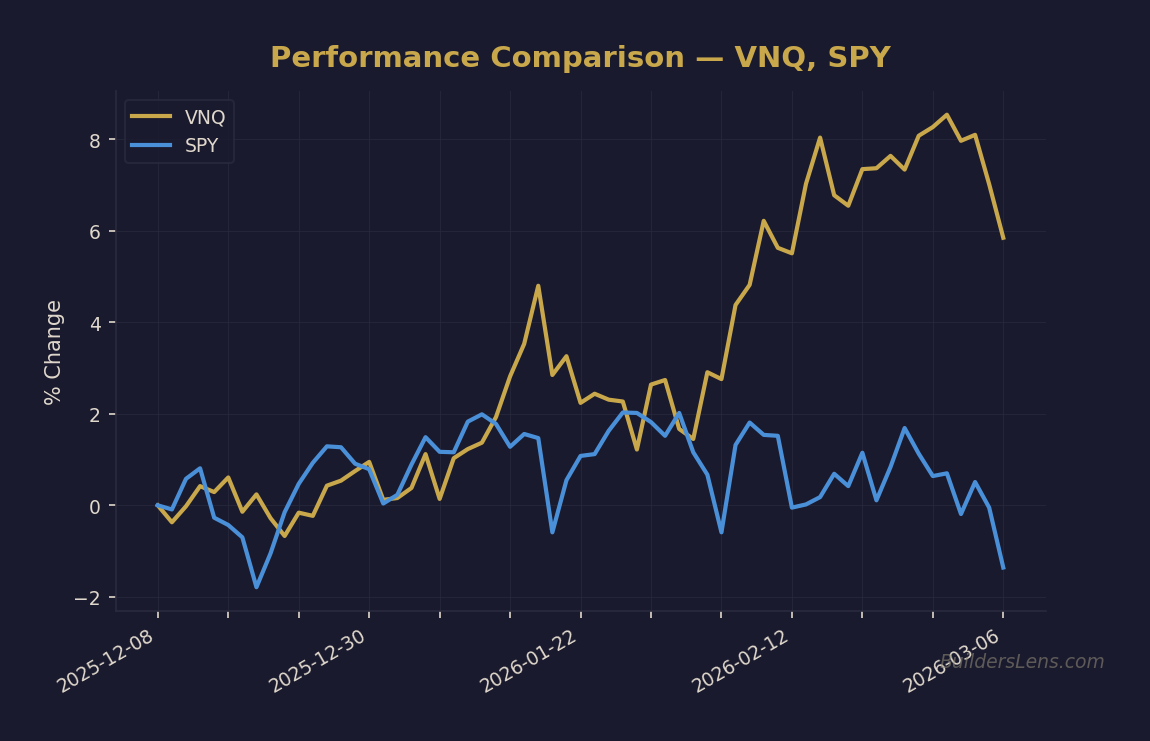
Source: BuildersLens.com Signal Framework | Data as of March 08, 2026
Mechanisms Driving Housing Repricing
Inventory Expansion
Inventory growth represents the most direct signal of supply pressure. During the pandemic housing boom, supply collapsed to historically low levels. Builders increased permitting and construction in response to strong demand. Because housing development has long lead times, many of those projects are completing now under a different interest rate regime.
When newly completed homes arrive as demand slows, months of supply increase rapidly. This forces sellers to compete for buyers through incentives, concessions, and eventually price adjustments.
Days on Market as a Clearing Indicator
Days on market provides an early indicator of whether demand is absorbing new supply. When listings remain active longer than historical averages, it suggests that buyers are becoming more selective or constrained by financing conditions.
In early stages of a correction, the market typically adjusts through time before price. Sellers may initially resist price cuts but extend listing durations or offer buyer incentives. Over time, if absorption remains weak, prices adjust downward to reestablish equilibrium.
Carrying Cost Shock
Housing affordability depends not only on home prices and mortgage rates but also on recurring ownership costs. Several regions, particularly in Florida, are experiencing sharp increases in insurance premiums and property taxes. These increases function similarly to a permanent rate increase for prospective buyers.
Higher carrying costs reduce the number of households that qualify for homeownership at existing price levels. When affordability declines while supply increases, price pressure builds.
Rental Market Transmission
Rental market conditions can also influence housing prices through investor demand. Investors evaluate potential home purchases based on rental income and expected appreciation. If rents decline, the investment thesis weakens.
Several markets mentioned in the video, including Denver and Austin, have experienced declining apartment rents due to a large wave of new multifamily construction. As rental yields compress, investor demand slows, removing an important marginal buyer from the housing market.
Regional Dispersion in Housing Conditions
One of the most important developments in the housing cycle is increasing dispersion across metropolitan areas. During the pandemic boom, prices rose almost everywhere as low interest rates and migration patterns boosted demand.
In the current environment, local conditions matter more. Markets that experienced large construction booms or strong pandemic migration inflows are now seeing the fastest inventory growth. Examples include Austin, Dallas–Fort Worth, Tampa, and several Southwest Florida metros.
Other regions with limited new supply, particularly parts of the Midwest and Northeast, remain relatively stable because housing inventory is still constrained.
Framework Mapping: Housing Within the Macro Cycle
Our Strategy evaluates housing through a probability based phase framework rather than a binary crash or boom narrative. Housing interacts with broader economic conditions including labor markets, credit availability, and interest rates.
Current Phase: Localized Adjustment
As of early twenty twenty six, housing adjustments appear primarily localized in supply heavy metros. Inventory is rising and price declines are occurring in specific regions, but national housing conditions remain mixed.
Potential Next Phase: Broader Softening
If labor market conditions weaken or credit standards tighten further, housing softness could broaden to additional regions. Under those circumstances, higher inventory and slower sales could translate into wider price declines.
Longer Term Phase: Systemic Risk Scenario
A more severe housing downturn would require forced selling dynamics, such as rising delinquencies or credit stress within the financial system. At present, those conditions are limited, though they remain part of the scenario analysis.
Signals We Monitor
- Months of supply: Measures how long current listings would last at the present sales pace.
- Days on market: Indicates whether demand is absorbing new listings quickly.
- Price cuts: Tracks how frequently sellers reduce listing prices.
- Rental trends: Provides insight into investor demand and housing affordability.
- Mortgage credit availability: Reflects the financing environment for buyers.
- Labor market conditions: Employment stability supports housing demand.
Why Housing Matters for the Broader Economy
Housing is deeply interconnected with the macroeconomic system. Construction employment, household wealth, consumer spending, and bank lending are all influenced by housing conditions.
A localized housing adjustment can improve long term affordability and restore balance between supply and demand. However, if housing weakness coincides with declining employment or tightening credit, the sector can become a transmission channel for broader economic stress.
Closing Perspective
City level price forecasts attract attention, but the more durable insight comes from understanding the mechanisms behind market clearing. Inventory growth, time on market, carrying costs, and rental trends provide early signals about where housing conditions may evolve next.
Our Strategy remains focused on those underlying signals rather than headline predictions.
Disclosure
This article is provided for educational purposes only. It does not constitute financial, investment, or real estate advice. Our Strategy provides analytical frameworks and observations about macroeconomic conditions but does not make recommendations or predictions.
Research hub: https://builderslens.com
Sponsor: https://v6d.com
📊 Run Your Own Analysis
Use the BuildersLens 65-Signal Analyzer to see live macro positioning for tickers mentioned in this article:
This article is for educational and informational purposes only and does not constitute investment advice. Past performance is not indicative of future results. Consult with a qualified financial advisor before making investment decisions.