Research · Cycle Sequencing & Phases
January 2026 Labor Market: Surge in Job Cuts, Weak Hiring Plans
January 2026 Labor Market: Surge in Job Cuts, Weak Hiring Plans
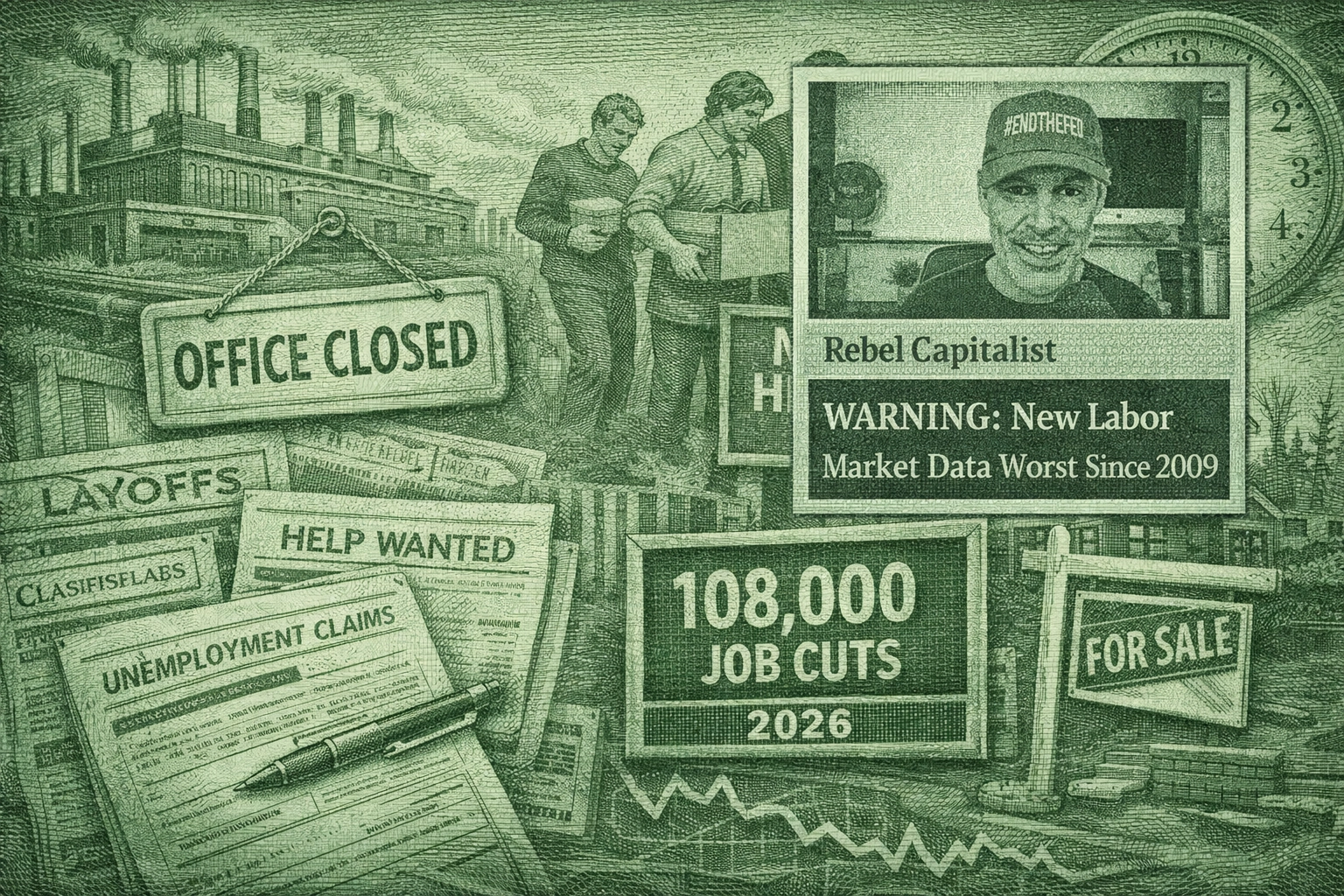
In January 2026, U.S. employers announced 108,435 job cuts — the highest total for that month since 2009. That figure represents a 118 % increase from January 2025 and a 205 % increase from December 2025, according to the latest Challenger, Gray & Christmas labor market report. :contentReference[oaicite:6]{index=6}
Meanwhile, employers announced just 5,306 hiring plans — the weakest January on record — signaling a significant slowdown in labor demand. :contentReference[oaicite:7]{index=7}
Breakdown of Job Cuts by Sector
The industries with the largest announced cuts in January included transportation, technology, and healthcare. Transportation announced over 31,000 job cuts, largely tied to contract losses with major logistics partners. Technology firms, including Amazon, collectively announced over 22,000 cuts as part of restructuring efforts. Healthcare and related firms also reported substantial cutbacks. :contentReference[oaicite:8]{index=8}
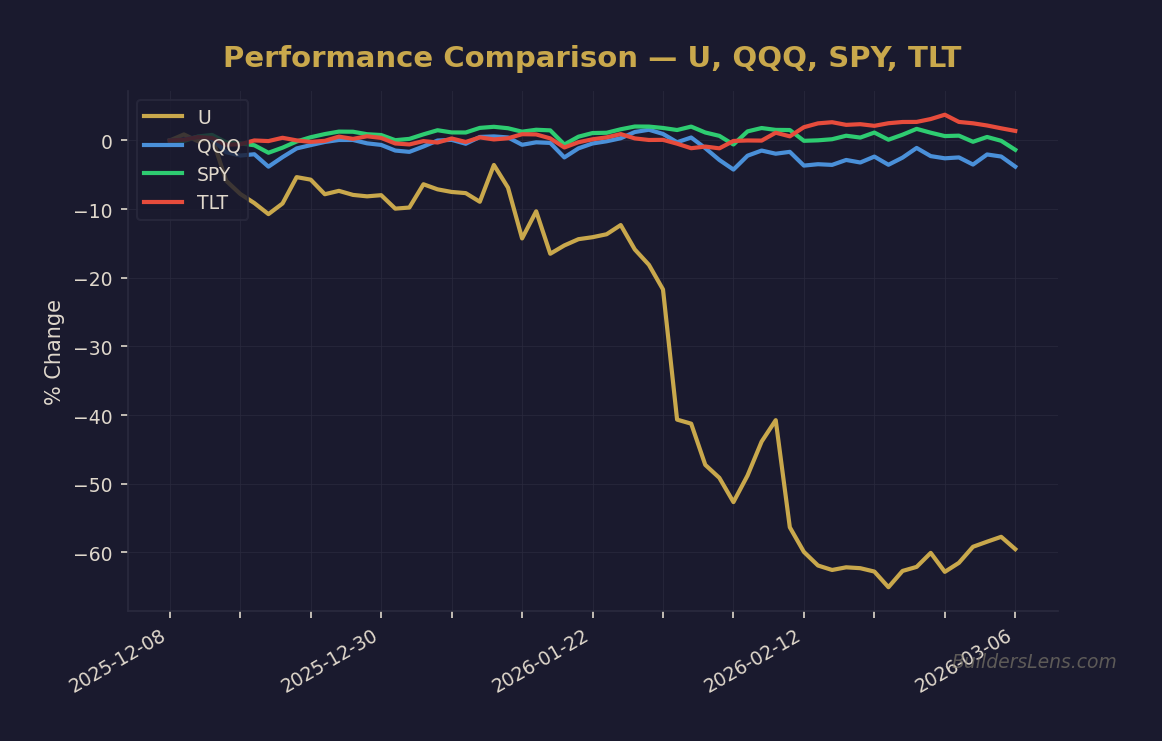
Source: BuildersLens.com Signal Framework | Data as of March 08, 2026
What Employers Cited as Primary Drivers
The leading reasons for announced layoffs were contract loss, market and economic conditions, restructuring, and business unit closures. Artificial intelligence was also cited as a contributing factor in approximately 7 % of job cuts, although firms noted that disentangling AI’s role from broader structural decisions is complex. :contentReference[oaicite:9]{index=9}
Implications for Labor Demand and Output
These labor market signals appear to diverge from some headline economic growth statistics published for late 2025, which suggested stronger output momentum. Yet sustained weakness in hiring intentions and elevated planned layoffs are classic leading indicators of weakening demand. Historical patterns show that broad, consistent weakness in employment typically precedes economic contractions rather than expansions.
Leading Indicators to Watch
- Official non-farm payroll figures for January 2026
- Job Openings and Labor Turnover Survey (JOLTS) updates
- Wage growth and unemployment claims trends
Conclusion
The January labor market data underscore a meaningful shift in employer behavior: plans for cuts are rising sharply while hiring intentions languish. Whether GDP data will eventually align with labor demand indicators remains to be seen, but right now the divergence warrants close scrutiny in the months ahead.
Get the Daily Phase Brief
Signal changes, data releases to watch, and today’s regime assessment — delivered every morning before market open.
Join investors tracking the macro cycle. Unsubscribe anytime.
📊 Run Your Own Analysis
Use the BuildersLens 65-Signal Analyzer for live macro positioning:
This article is for educational and informational purposes only and does not constitute investment advice. Past performance is not indicative of future results. Consult with a qualified financial advisor before making investment decisions.