Research · Narrative Translation
Jobs, AI, and the Late-Cycle Misread: A Mechanism-First Translation
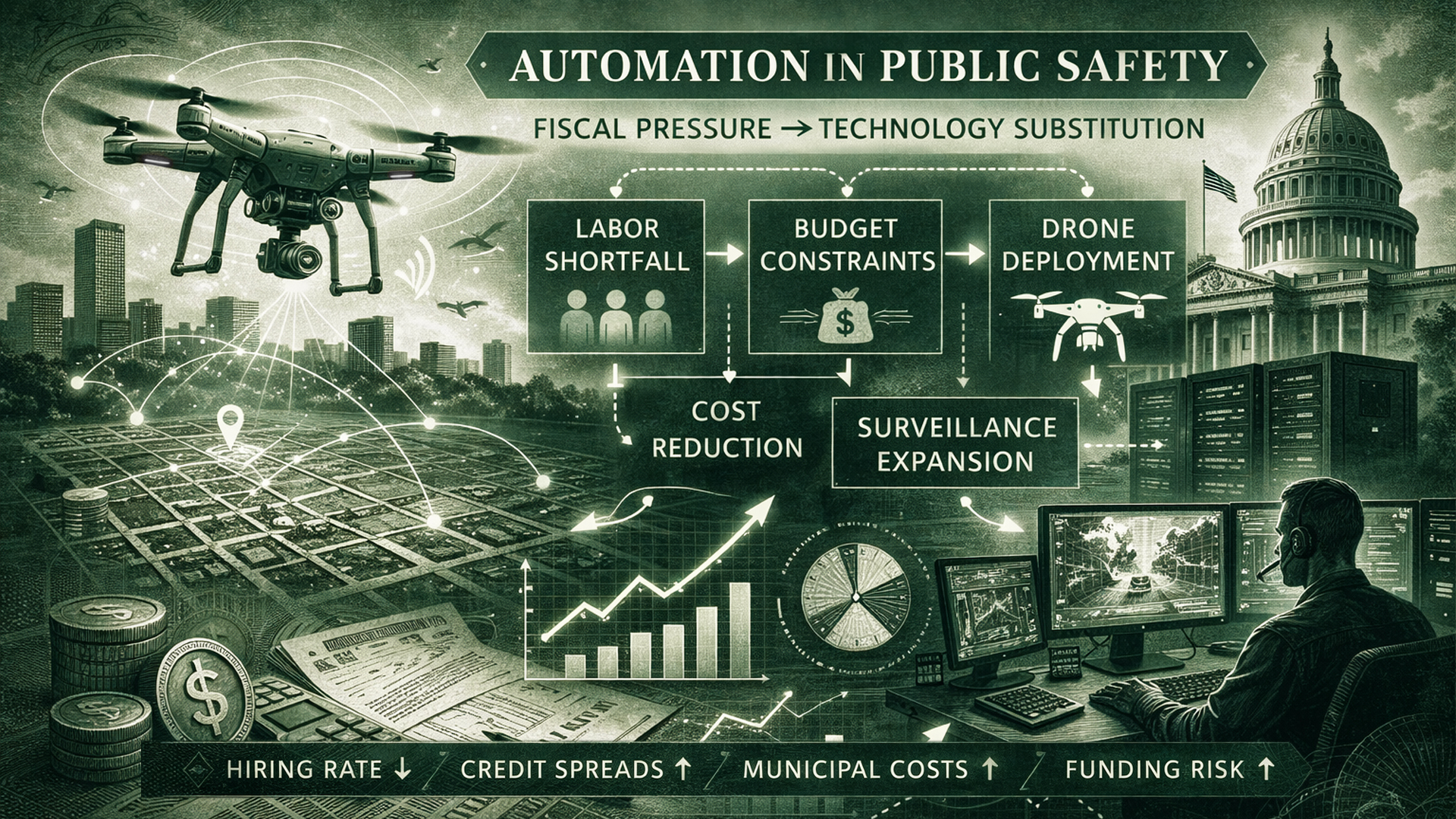
We are translating a popular narrative about layoffs, job revisions, and artificial intelligence into Our Strategy: mechanisms over narratives, signals over outcomes, sequencing over timing, probabilities over conviction. The core question is not “are layoffs rising?” The question is whether labor deterioration becomes persistent enough to tighten household cash flow, widen credit spreads, and create funding friction. That is the chain that turns a slowdown into a cascade.
BuildersLens Context: What Has Stayed Consistent
Recent BuildersLens work has emphasized late-cycle divergence: markets can remain elevated while labor quality weakens, liquidity smoothness deteriorates, and private credit stress broadens. The common thread is that breaks typically arrive through credit and funding mechanics, not through a single headline.
Step One: Classify the Claims Into Signal Buckets
Labor deterioration
Downward revisions to job creation and rising layoffs compress the late-cycle cushion. Revisions matter because they reshape the baseline from which policy and markets interpret strength.
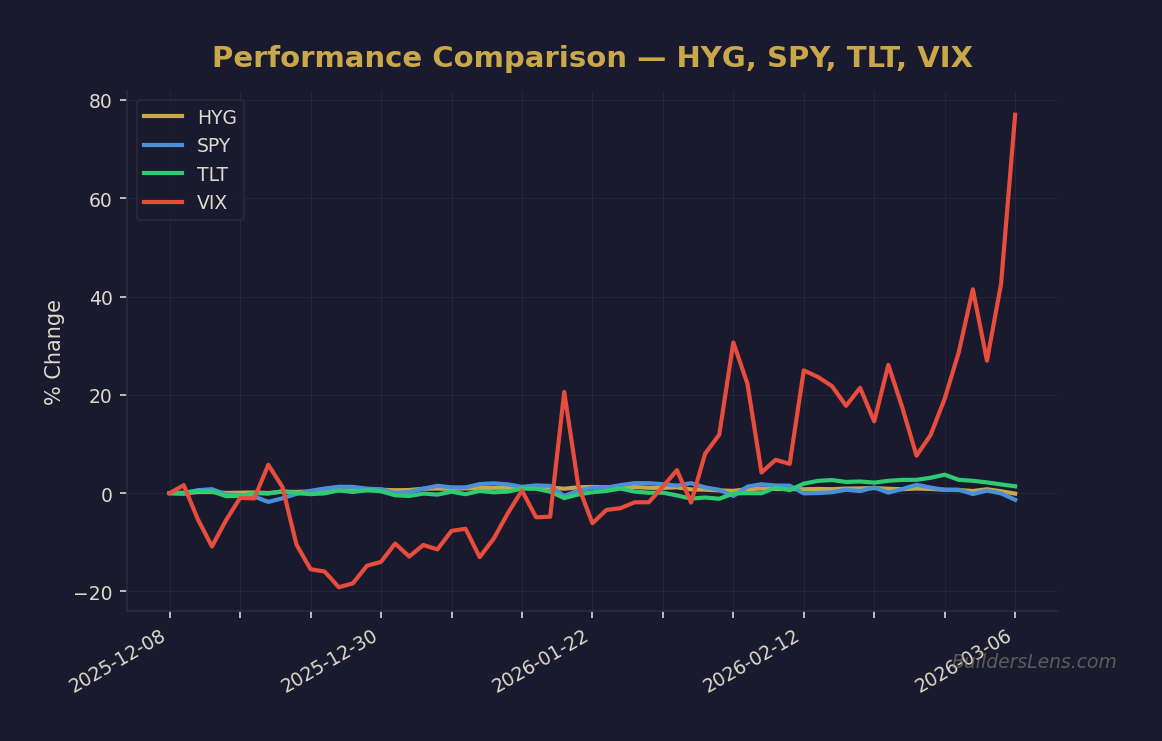
Source: BuildersLens.com Signal Framework | Data as of March 08, 2026
AI as structural substitution
Corporate signaling around artificial intelligence reducing workforce size represents a productivity substitution mechanism. Slower hiring and reduced wage growth can tighten cash flow even before unemployment spikes.
Automation in logistics and services
Drone delivery, autonomous transport, and synthetic content creation are examples of gradual substitution that become macro-relevant when cyclical buffers thin.
Step Two: Framework Mapping
Current Phase — Late-Cycle Compression
Markets can remain resilient while internal labor quality deteriorates. Divergence defines this phase.
Next Phase — Credit Stress Transmission
If labor weakness tightens cash flow and lifts delinquencies, spreads widen and refinancing becomes constrained.
Two Phases Out — Forced Liquidity
Correlation spikes and policy response probability rises if funding plumbing becomes impaired.
Phase Pressure: Probability Windows
- Late-Cycle Compression continuation through June 2026: approximately 55 to 70 percent probability.
- Breakdown transition by mid-2026: approximately 25 to 40 percent probability, conditional on credit confirmation.
- Forced liquidity window between June and December 2026: approximately 35 to 55 percent probability if labor and refinancing pressures cluster.
What Confirms vs. What Invalidates
Confirmations
- Sustained deterioration in hiring rate and continuing claims.
- Widening credit spreads and tightening lending standards.
- Visible funding friction in auctions or collateral markets.
Invalidations
- Multi-month labor stabilization.
- Contained spreads and resilient refinancing capacity.
- Stable funding absorption despite heavy issuance.
Bottom Line
The AI and layoffs narrative is not the trigger. The transmission is. Labor becomes cash flow. Cash flow becomes credit. Credit becomes funding. We remain probability-based and confirmation-driven, allowing sequence—not headlines—to determine phase shifts.
Get the Daily Phase Brief
Signal changes, data releases to watch, and today’s regime assessment — delivered every morning before market open.
Join investors tracking the macro cycle. Unsubscribe anytime.
📊 Run Your Own Analysis
Use the BuildersLens 65-Signal Analyzer for live macro positioning:
→ Analyze HYG (High Yield Credit)
This article is for educational and informational purposes only and does not constitute investment advice. Past performance is not indicative of future results. Consult with a qualified financial advisor before making investment decisions.