Research · Cycle Sequencing & Phases
Labor Revisions and the Rise of Rent Installment Credit: A Late-Cycle Compression Signal

Labor Revisions, Rent Installment Credit, and Late-Cycle Phase Pressure
The recent discussion around downward job revisions and the rapid expansion of rent installment platforms is best understood through transmission mechanisms rather than narratives. Our Strategy evaluates these developments within a probability-based, phase-sequenced framework.
Mechanism: Labor Quality to Housing Leverage
Downward revisions to payroll growth signal deterioration in labor momentum quality. This does not automatically imply recession. However, it increases income volatility risk at the household level.
Rent installment platforms function as short-duration leverage structures. They convert a fixed monthly rent obligation into multiple payment tranches, smoothing cash flow volatility. This stabilizes landlord receivables while increasing leverage exposure for tenants.
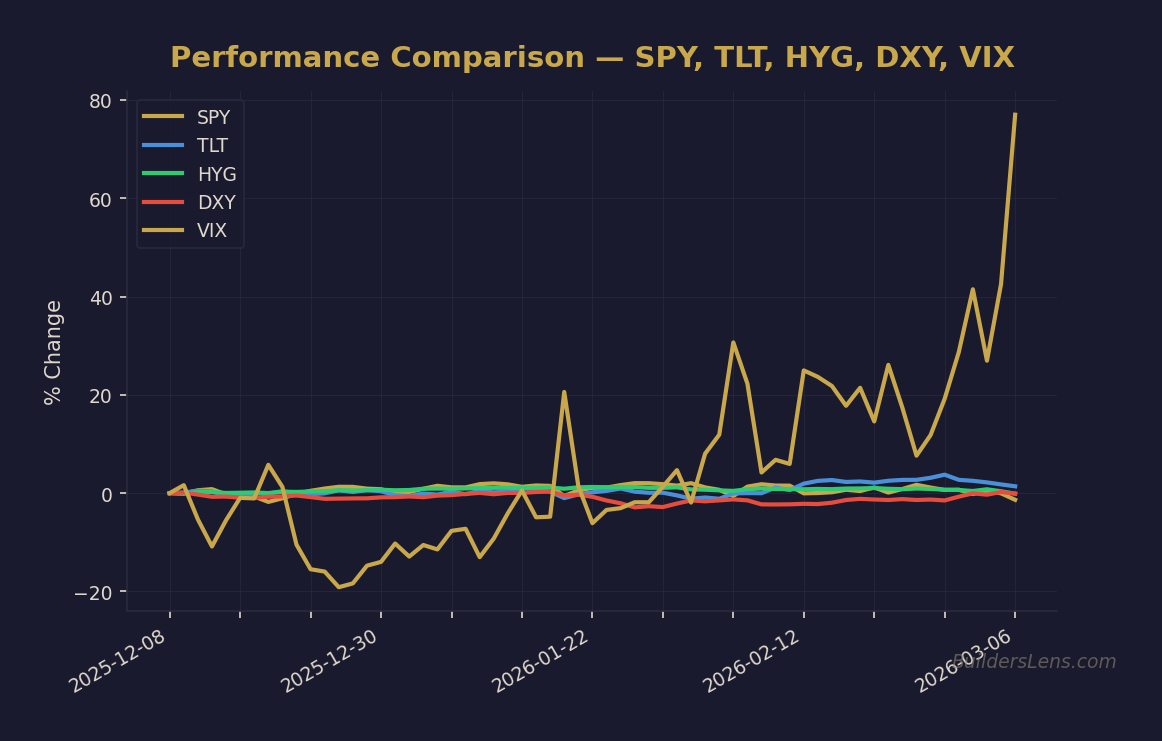
Source: BuildersLens.com Signal Framework | Data as of March 08, 2026
The mechanism is therefore:
- Labor momentum softens
- Income volatility rises
- Households adopt installment credit tools
- Leverage expands at the margin
Phase Alignment Within Our Strategy Framework
Current Phase Assessment: Late Phase One with Rising Phase Two Pressure
Phase One is characterized by market resilience despite underlying deterioration. Equity markets can remain stable while labor quality weakens and adaptive credit structures expand.
Phase Two involves multiple compression without immediate systemic breakdown. If labor deterioration continues and credit spreads widen modestly, valuation pressure may increase even without recession confirmation.
Date-Anchored Probability Bands
- Phase One Continuation: Approximately sixty percent probability through June 2026, conditional on stable credit spreads and contained funding stress.
- Phase Two Entry: Approximately thirty percent probability before December 2026 if hiring momentum deteriorates further and consumer credit utilization rises.
- Phase Three Breakdown: Low probability at present, increasing only if credit spreads widen materially, housing delinquencies rise sharply, and funding markets destabilize into June 2027.
- Phase Four Forced Liquidity: Conditional and data dependent, not currently dominant in the probability stack.
What Changes vs. What Does Not Change
What Changes:
- Labor quality momentum signal weakens
- Household leverage adaptation increases
- Compression risk gradually rises
What Does Not Change:
- No confirmed credit stress cascade
- No systemic funding breakdown
- No synchronized deterioration across labor, housing, and credit simultaneously
Multi-Asset Monitoring Dashboard
We monitor the following assets for confirmation or invalidation signals:
- SPY for equity multiple compression behavior
- TLT and long-duration yields for refinancing pressure
- High yield credit spreads for stress transmission
- DXY for global funding constraint conditions
- Regional bank ETFs for deposit and funding signals
Explicit Invalidation Conditions
- Sustained reacceleration in hiring rate and wage stability
- Continued tightening in credit spreads despite labor revisions
- Stabilization or decline in consumer delinquencies
If these occur, Phase Two probability declines materially.
Signal Confidence Tier
Current signal confidence: Moderate. Labor revisions are meaningful but incomplete without concurrent credit and funding confirmation.
Our Strategy remains probability-based, sequencing-driven, and explicitly non-advisory. The objective is structural interpretation, not prediction.
Get the Daily Phase Brief
Signal changes, data releases to watch, and today’s regime assessment — delivered every morning before market open.
Join investors tracking the macro cycle. Unsubscribe anytime.
📊 Run Your Own Analysis
Use the BuildersLens 65-Signal Analyzer to see live macro positioning for tickers mentioned in this article:
→ Analyze TLT (Long-Term Treasuries)
📊 Run Your Own Analysis
Use the BuildersLens 65-Signal Analyzer to see live macro positioning for tickers mentioned in this article:
→ Analyze TLT (Long-Term Treasuries)
📊 Run Your Own Analysis
Use the BuildersLens 65-Signal Analyzer for live macro positioning:
This article is for educational and informational purposes only and does not constitute investment advice. Past performance is not indicative of future results. Consult with a qualified financial advisor before making investment decisions.