Research · Market Internals
Markets Rebound as Oil Falls and AI Earnings Beat — Late Cycle Signals Explained
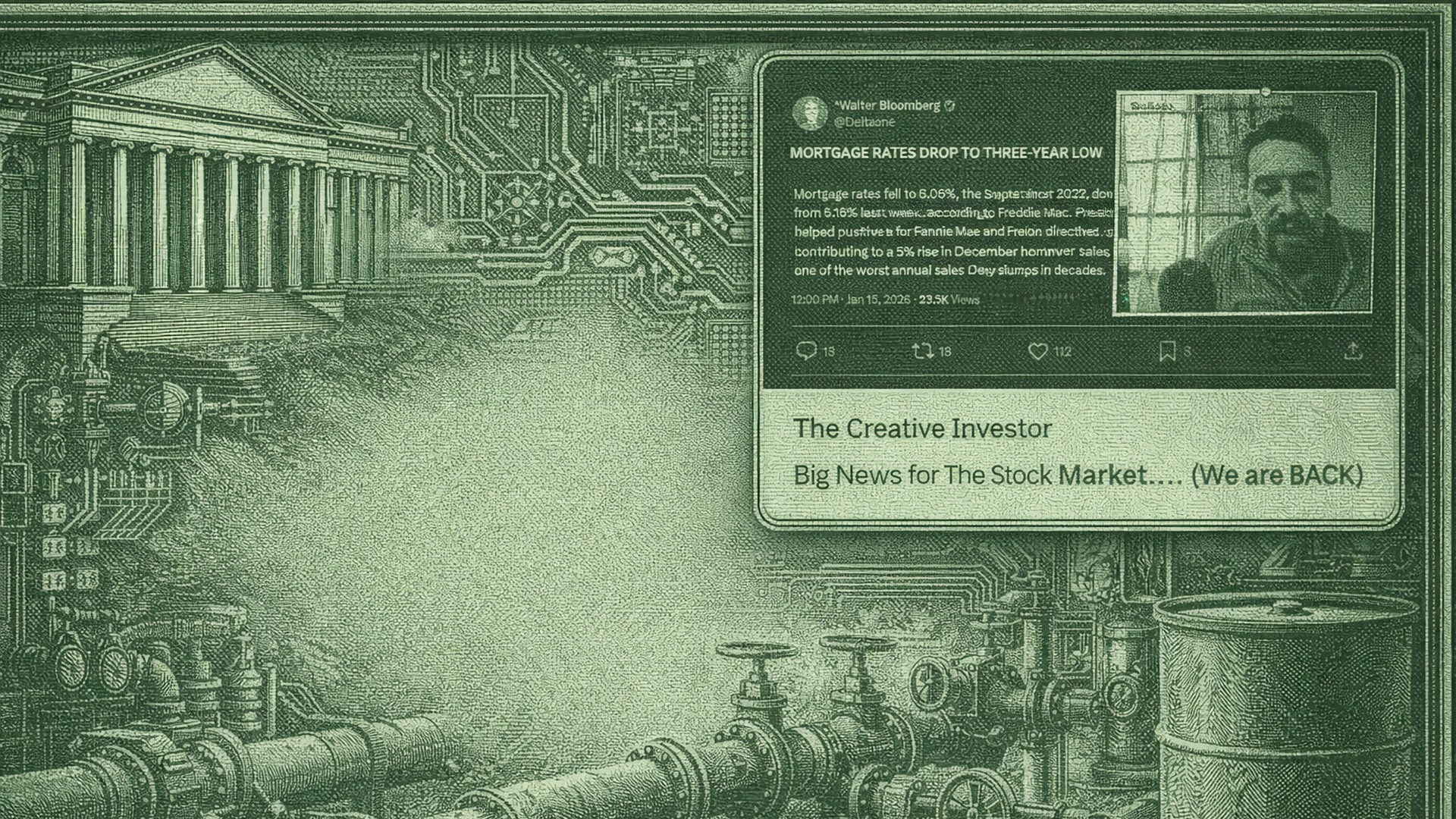
Markets Rebound as Oil Falls and AI Earnings Beat — Late Cycle Signals Explained
Hook
Markets rebounded as geopolitical fears eased, oil prices fell, and AI earnings surprised to the upside. On the surface, this looks like renewed confidence — but late-cycle rebounds often carry hidden fragility.
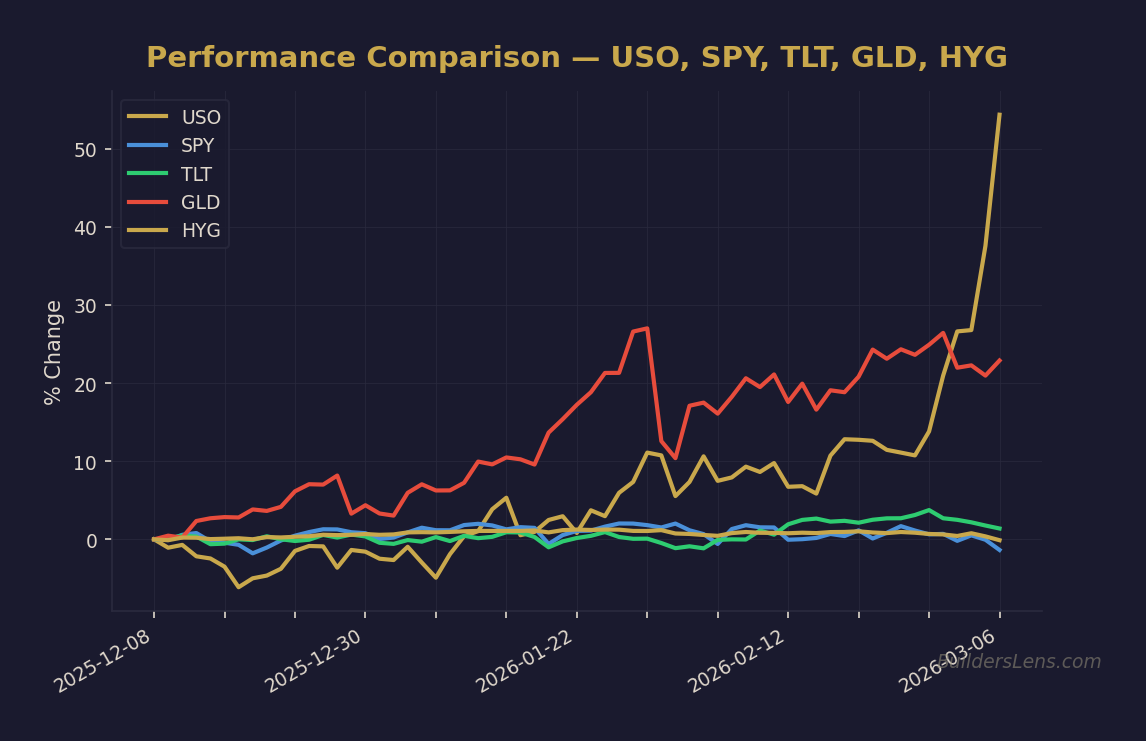
Source: BuildersLens.com Signal Framework | Data as of March 08, 2026
In this episode, Our Strategy translates optimism into signal-based sequencing using a five-phase macro framework.
Disclaimer
This post is for educational macro commentary only and is not financial advice. It reflects a probability-weighted framework, not trade recommendations.
Our Strategy Lens
Our Strategy focuses on how signals transmit risk, not whether prices are rising or falling. Late-cycle rallies often occur alongside improving headlines — even as structural sensitivity quietly increases.
This episode interprets oil, AI earnings, and market response through signal alignment rather than narrative comfort.
Signals That Matter
1) Falling Oil Reduced Near-Term Shock Risk
- Lower oil prices eased inflation expectations
- Near-term volatility pressure declined
- Rate sensitivity temporarily relaxed
This reduces immediate risk — but does not reset credit or liquidity conditions.
2) AI Earnings Confirm Demand, Not a New Cycle
- Strong semiconductor earnings confirmed AI infrastructure demand
- Leadership concentration remains intact
- Risk-on behavior persists without broad participation
Strong earnings can coexist with late-cycle fragility.
3) Strong Data Often Appears Late-Cycle
- Earnings strength can lag tightening conditions
- Volatility suppression often precedes regime shifts
- Price stability can mask rising sensitivity
Late-cycle risk builds quietly — not during obvious stress.
Phase Mapping (Our Strategy Framework)
| Phase | Definition | Status | Key Signal |
|---|---|---|---|
| Phase 1 | Melt-Up with Hidden Fragility | Active | Oil relief + narrow AI leadership |
| Phase 2 | Asymmetric Sensitivity | Probability rising | Volatility or credit confirmation |
| Phase 3 | Forced Repricing | Not confirmed | Funding or credit breakdown |
Sensitive Instruments to Monitor (Not Trade Calls)
- SPY — Broad equity liquidity response
- SMH — AI leadership concentration
- TLT / ZROZ — Duration and rate sensitivity
- Oil — Inflation and growth transmission
- Gold — Liquidity vs safety interpretation
What Changed
- Oil price decline reduced near-term shock risk
- AI earnings reinforced leadership concentration
- Phase 2 sensitivity increased modestly
What Didn’t Change
- No confirmation of forced selling
- No credit breakdown signal
- No reset to an early-cycle regime
Process Adjustments (Not Trade Recommendations)
- Maintain discipline despite positive headlines
- Monitor volatility and credit for confirmation
- Avoid leverage late cycle
- Preserve optionality as timelines compress
Original Source & Credit
This episode reviews and translates the following original video for educational purposes:
Original video — Market News & Analysis
Close
Markets can rebound late-cycle without resolving risk. The real signal is not optimism — it’s whether liquidity continues to cooperate.
Price can rise. Fragility can rise with it.
Background is generated via Prompt 2.
Get the Daily Phase Brief
Signal changes, data releases to watch, and today’s regime assessment — delivered every morning before market open.
Join investors tracking the macro cycle. Unsubscribe anytime.
📊 Run Your Own Analysis
Use the BuildersLens 65-Signal Analyzer for live macro positioning:
→ Analyze HYG (High Yield Credit)
This article is for educational and informational purposes only and does not constitute investment advice. Past performance is not indicative of future results. Consult with a qualified financial advisor before making investment decisions.