Research · Uncategorized
SAHM RULE
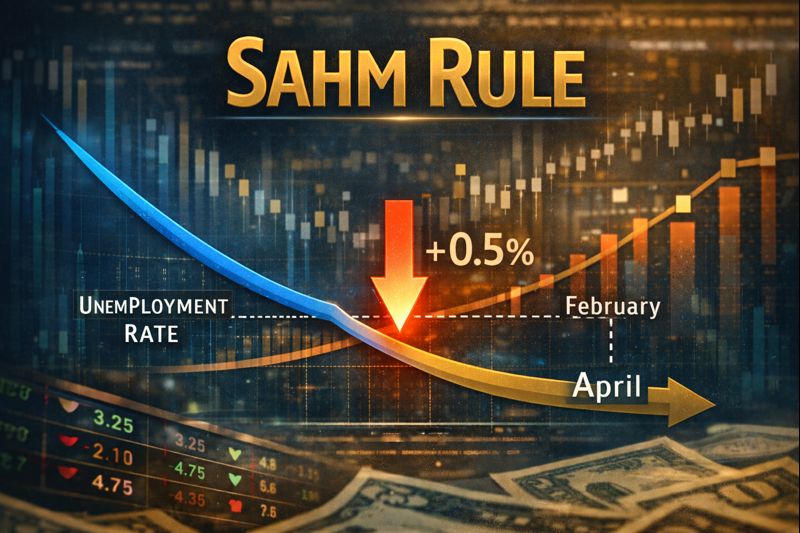
The Sahm Rule
What It Is, What It Confirms, and Why It Shows Up Late in the Cycle
The Sahm Rule is often described as one of the most reliable recession indicators ever created.
That reputation is largely deserved.
But like many well-known signals, it is frequently misunderstood — especially when people try
to use it as a forecasting tool.
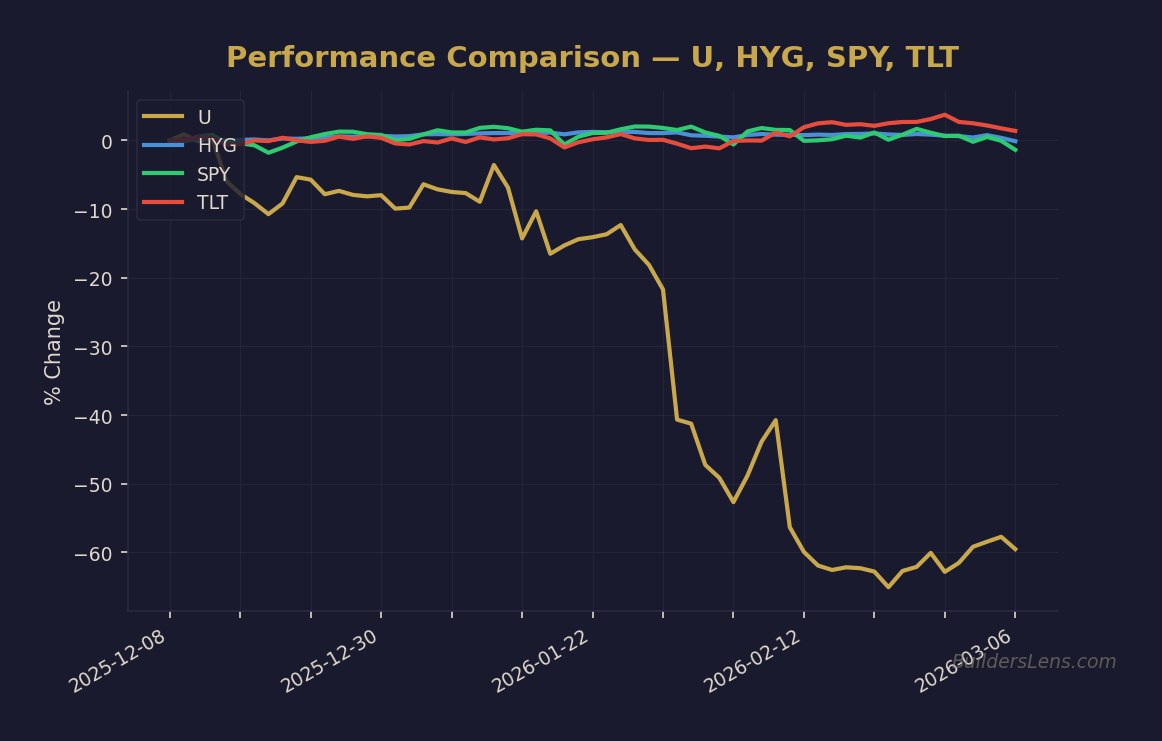
Source: BuildersLens.com Signal Framework | Data as of March 08, 2026
At BuildersLens, we treat the Sahm Rule very differently.
We do not ask whether it “predicts” recessions.
We ask a more useful question:
What phase of the macro cycle does labor-market stress confirm?
What Is the Sahm Rule? (Plain English)
The Sahm Rule is a simple labor-market rule created by economist Claudia Sahm.
It triggers when:
- The 3-month average unemployment rate rises
- By 0.5% or more
- Above its lowest point in the past 12 months
In plain terms:
When unemployment starts rising meaningfully from a recent low,
the economy is already under stress.
The rule was designed to identify recessions
as they are beginning, not to forecast them years in advance.
Why the Sahm Rule Has Such a Strong Track Record
Historically, when the Sahm Rule has triggered,
the U.S. economy has almost always been in or entering a recession.
This is because:
- Employers are slow to lay off workers
- Labor is usually the last thing to break
- Once layoffs spread, damage is already underway
That makes the Sahm Rule a powerful confirmation signal.
Its strength is not prediction —
it is validation that stress has escaped containment.
Why the Sahm Rule Is Often Misused
Many investors expect the Sahm Rule to act like an early warning system.
That expectation is misplaced.
By the time unemployment rises meaningfully:
- Credit has already tightened
- Corporate margins are under pressure
- Financial conditions have worsened
In other words:
The Sahm Rule does not tell you trouble is coming.
It tells you trouble is here.
Where the Sahm Rule Fits in the Five Phases
Phase 0 — Post-Crisis Expansion
In Phase 0:
- Unemployment is falling or stable
- Hiring confidence is improving
- The Sahm Rule is inactive
Labor conditions are healing, not deteriorating.
Phase 1 — Melt-Up / Liquidity Illusion
In Phase 1:
- Asset prices may rise strongly
- Labor markets often still look healthy
- The Sahm Rule is usually silent
This is why labor data can feel reassuring even
as credit conditions quietly worsen.
Phase 2 — Crack Formation / Rolling Stress
As the cycle moves into Phase 2:
- Layoffs begin in specific sectors
- Hiring slows unevenly
- The Sahm Rule may flicker or approach trigger levels
At this stage, labor stress exists —
but it is not yet systemic.
Phase 3 — Forced Liquidation
This is where the Sahm Rule becomes most relevant.
In Phase 3:
- Unemployment rises broadly
- Layoffs spread beyond isolated sectors
- The Sahm Rule triggers and stays triggered
This confirms that:
Economic damage has moved from balance sheets into households.
Phase 4 — Reset / Accumulation
In Phase 4:
- The Sahm Rule may remain elevated
- Job losses slow
- Forward-looking conditions begin to improve
Labor data often looks worst
just as long-term opportunity begins to improve.
Where We Are Today
In the current cycle, the Sahm Rule has been triggered
or approached multiple times in recent years.
This has led some observers to conclude that the rule is “broken.”
A more accurate interpretation is this:
Labor markets have become more volatile,
while credit and liquidity have delayed full adjustment.
In Five Phases terms:
- Partial Sahm signals align with Phase 2 rolling stress
- Sustained triggers would confirm Phase 3
- Isolated triggers without credit stress are not decisive
This reinforces a core BuildersLens principle:
Labor confirms damage — it does not lead it.
What the Sahm Rule Can — and Cannot — Tell Us
The Sahm Rule answers one question very well:
Has labor-market stress become broad and persistent?
It cannot:
- Predict market tops
- Time crashes
- Override credit signals
Under the BuildersLens framework,
the Sahm Rule is a Phase 3 confirmation tool,
not an early-cycle warning.
Final Takeaway
The Sahm Rule is powerful precisely because it is late.
- It confirms recessionary conditions
- It validates systemic labor stress
- It aligns with forced liquidation phases
Within the Five Phases framework,
the Sahm Rule does not predict what comes next.
It confirms that the cycle has already crossed a line.
Get the Daily Phase Brief
Signal changes, data releases to watch, and today’s regime assessment — delivered every morning before market open.
Join investors tracking the macro cycle. Unsubscribe anytime.
📊 Run Your Own Analysis
Use the BuildersLens 65-Signal Analyzer for live macro positioning:
→ Analyze HYG (High Yield Credit)
This article is for educational and informational purposes only and does not constitute investment advice. Past performance is not indicative of future results. Consult with a qualified financial advisor before making investment decisions.