Research · Narrative Translation
The Hidden Mechanism Behind “Saving Is For Losers”

From Harsh Truths to Mechanisms
Advice content often lands as slogans: saving is for losers, debt is a tool, salary is a drug. Our Strategy translates slogans into mechanisms, then maps those mechanisms into a phase-sequenced framework. The goal is durability. A statement can be emotionally persuasive and still be regime-dependent.
We prioritize signals over outcomes, sequencing over timing, and probabilities over conviction. This is educational analysis, not advice.
The Core Mechanisms Embedded in the Video
Purchasing Power: Why “Saving” Can Quietly Lose
The strongest underlying mechanism in the video is purchasing power erosion. When cash yields persist below inflation, nominal stability masks real loss. This is the intuition behind the claim that you cannot save your way to freedom.
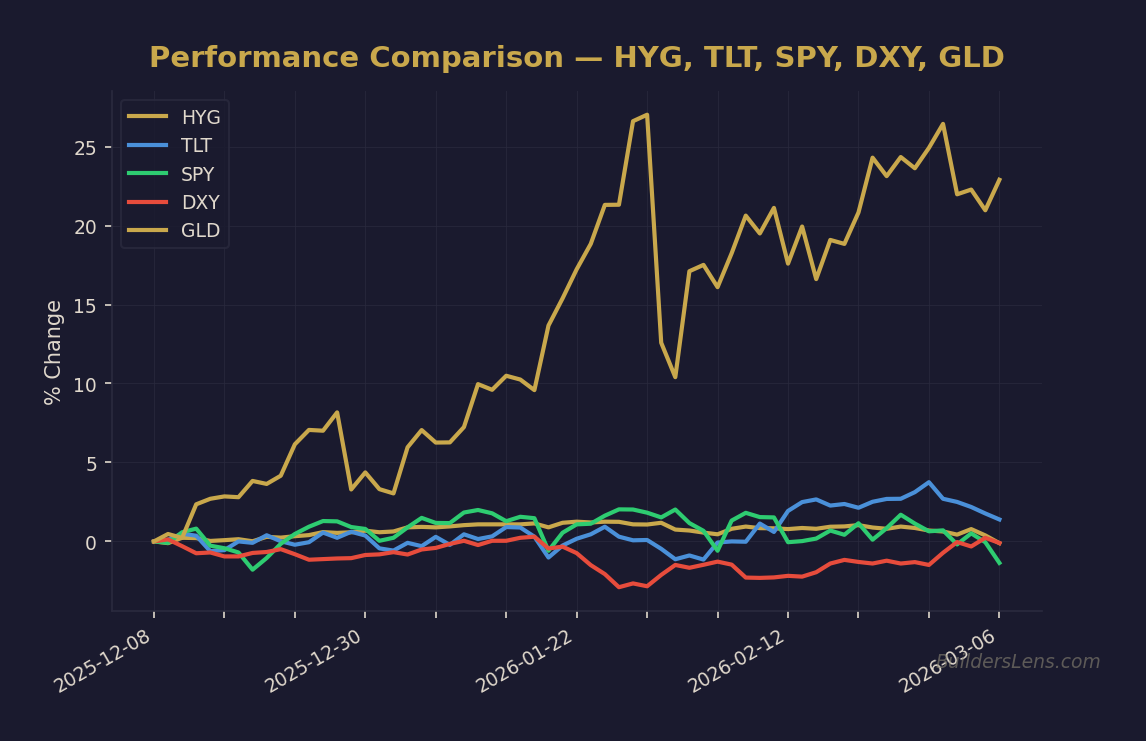
Source: BuildersLens.com Signal Framework | Data as of March 08, 2026
But our framework adds the missing counterweight: cash is optionality. Optionality is valuable when regime pressure rises because it reduces the probability of forced selling and preserves the capacity to deploy when odds improve.
Income Concentration: The Real Meaning of “Salary Is a Drug”
We translate “salary is a drug” as balance sheet concentration. A single income stream can be stable in calm regimes and fragile in tightening regimes. The mechanism is not cultural. It is adaptive capacity: how quickly the household or business can adjust if labor conditions soften or financing costs rise.
Leverage: “Debt Is a Tool” With a Conditional Clause
Debt behaves differently across regimes. In supportive liquidity environments, leverage can amplify compounding when cash flow coverage is durable. In late-cycle conditions, debt becomes a timing problem because maturity walls and refinancing costs can reset faster than rents, wages, or sales can adjust.
Our Strategy treats leverage as a cash flow durability test plus a funding market test. Without both, “good debt” can degrade into fragility.
Housing: Utility Versus Productive Cash Flow
The claim that a primary residence is not an asset is a balance sheet framing. Utility is real, but it is not cash flow. The regime-sensitive question is whether the financing structure and cost of carry remain compatible with the cycle.
Taxes and Incentives: Producers Versus Consumers
The video frames taxes as optional through code navigation. Our Strategy reframes this as incentives. Systems often reward activities that expand supply and production. But incentives do not remove cycle risk. They only change the distribution of outcomes within a regime.
Framework Mapping: Our Strategy Five-Phase Lens
We map the environment using phase pressure. The objective is not prediction. The objective is structured adaptation as signals evolve.
Current Phase Pressure
Base case: late Phase One characteristics with rising Phase Two pressure. This implies upside attempts can still occur, but durability depends on liquidity momentum, credit stability, and breadth.
Date-Anchored Probability Timeline
- Now through June 2026: approximately sixty percent probability of continued Phase Two style compression and rotation.
- Short term window: approximately twenty five percent probability that liquidity re-accelerates enough to extend selective upside.
- Mid 2026 through late 2026: approximately thirty five percent probability that Phase Two pressure intensifies.
- Late 2026 into 2027: approximately twenty percent probability that Phase Three credit transmission grows if refinancing stress accelerates.
These probabilities are conditional and will adjust as confirmations or invalidations appear.
What We Watch: Confirmations Versus Invalidations
Confirmations That Phase Two Pressure Is Rising
- Credit: persistent widening in high yield spreads and tighter lending conditions.
- Funding: signs of stress in short-term funding and weaker Treasury auction demand.
- Rates: falling yields driven by weakening growth rather than easing conditions.
- Breadth: narrowing participation and repeated failed breakouts.
Invalidations That Reduce Phase Two Pressure
- Liquidity: clear re-acceleration in liquidity momentum.
- Credit: spreads remain contained during volatility.
- Breadth: participation expands beyond narrow leadership.
- Funding: auctions and short-term markets remain orderly.
Monitoring Tickers for Observation Only
- SPY broad equity proxy
- SMH leadership and concentration proxy
- TLT and ZROZ duration sequencing proxies
- DXY dollar and global funding constraint proxy
- HYG credit conditions proxy
- GLD monetary hedge proxy
- BTC liquidity sensitivity proxy
Conclusion: Structure Beats Slogans
The disciplined takeaway is not that saving is wrong or debt is right. The takeaway is that the cycle determines which behaviors compound and which behaviors break. Optionality beats certainty, and sequencing beats speed.
Educational disclaimer: This document is for informational and educational purposes only and does not constitute financial, legal, or tax advice. Markets involve risk and uncertainty.
📊 Run Your Own Analysis
Use the BuildersLens 65-Signal Analyzer to see live macro positioning for tickers mentioned in this article:
→ Analyze TLT (Long-Term Treasuries)
This article is for educational and informational purposes only and does not constitute investment advice. Past performance is not indicative of future results. Consult with a qualified financial advisor before making investment decisions.