Research · Narrative Translation
Wage Growth Just Slowed — Housing Risk Is Rising
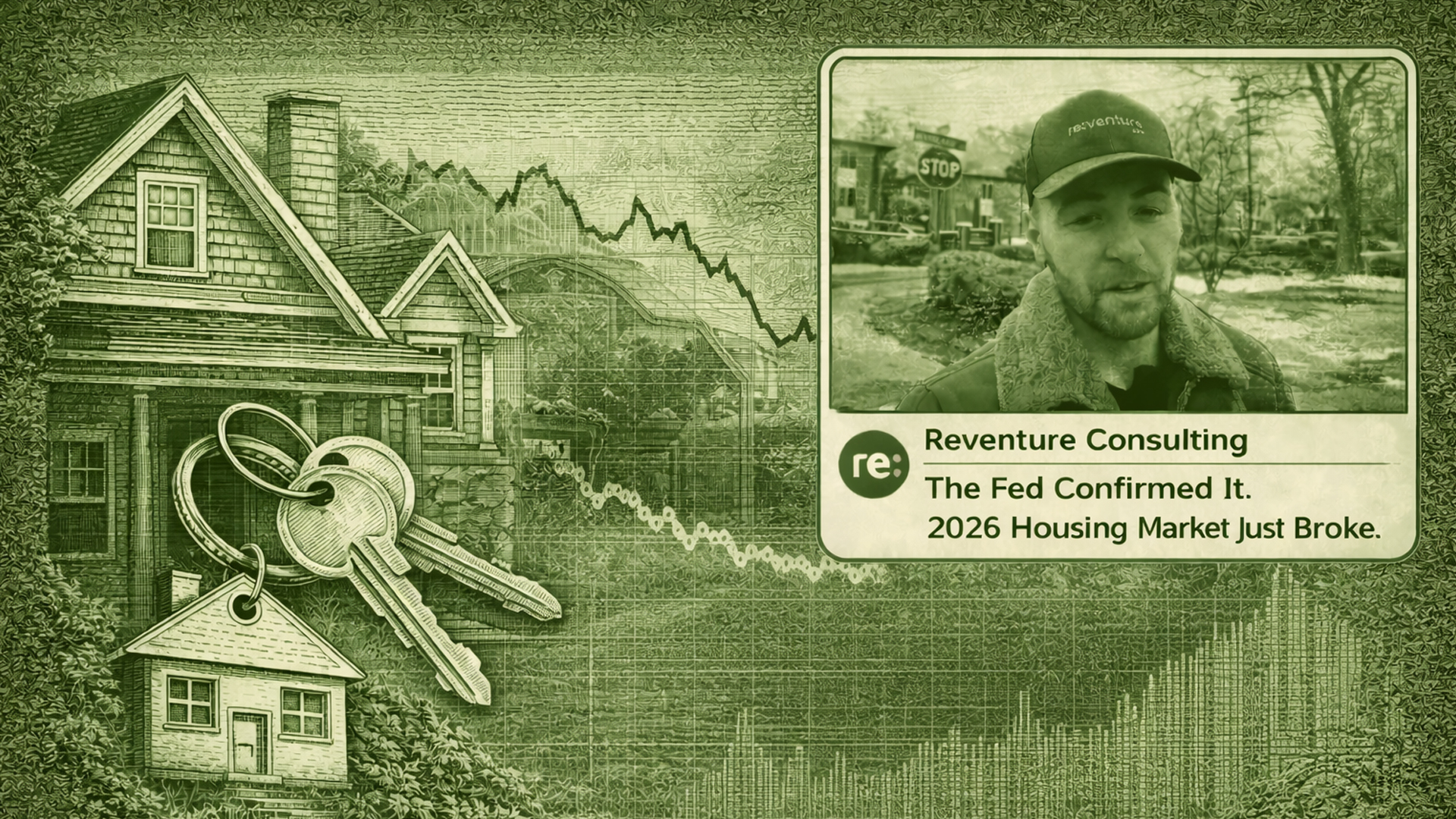
Slower Wage Growth and Housing Affordability Signals for 2026
The emerging macro signal for the U.S. housing market in 2026 is not simply prices or sentiment — it is income growth. Recent wage data shows year-over-year compensation growth slowing to its lowest level in over five years. In a housing market already stretched relative to incomes, this introduces renewed phase pressure.
In Our Strategy, we focus on mechanisms rather than narratives. Housing demand is not driven by optimism alone. It is driven by qualification thresholds, income growth, and credit transmission. When wage growth slows while housing costs remain elevated, the system begins to compress.
Mechanism: Purchasing Power Compression
Mortgage underwriting standards typically assume housing costs should not exceed roughly 30 percent of gross income. If wages rise more slowly, fewer households qualify for mortgages at current price levels. This reduces the effective buyer pool.
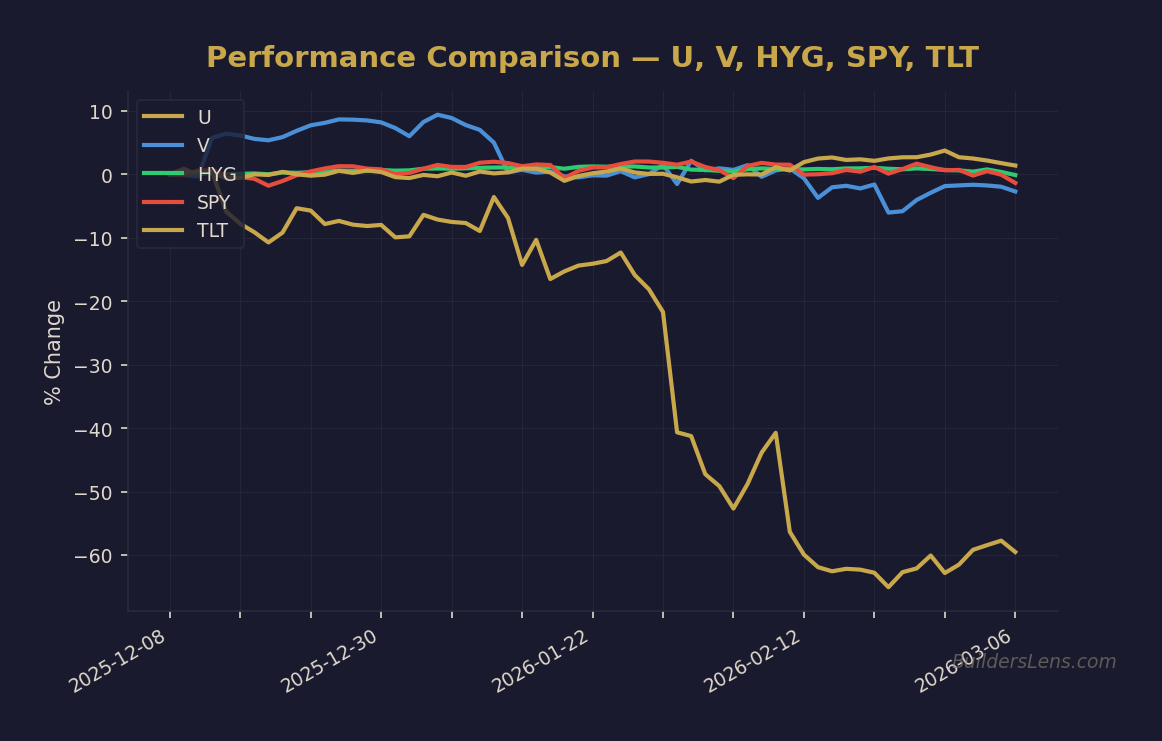
Source: BuildersLens.com Signal Framework | Data as of March 08, 2026
The sequence matters:
- Wage growth decelerates
- Affordability ratios deteriorate
- Pending sales weaken
- Transaction volume slows
- Price pressure follows later
Volume tends to weaken before prices. This is consistent with late Phase Two behavior within our five phase cycle model.
Signal Classification
- Labor: Slowing wage growth
- Credit: Mortgage qualification tightening via income constraints
- Liquidity: Housing demand sensitivity to rate stability
- Breadth: Regional divergence across metros
This is not yet confirmed Phase Three credit stress. However, it increases sensitivity within Phase Two — where liquidity can delay adjustment, but structural affordability cannot be permanently overridden.
Phase Mapping and Probability Calibration
Current Phase: Late Phase Two pressure building beneath surface stability.
Base Case Probabilities:
- Phase Two continuation through mid-2026: 50–60 percent
- Gradual transition toward Phase Three by December 2026: 30–35 percent
- Immediate disorderly housing reset: below 15 percent
These are conditional probabilities, not predictions. They adjust based on confirmation signals.
What Would Increase Phase Three Probability
- Further wage deceleration below current trend
- Rising mortgage delinquencies
- Tightening lending standards
- Broader regional price declines accelerating
What Would Invalidate This Pressure
- Reacceleration in wage growth above housing cost growth
- Improved affordability ratios without price compression
- Stable transaction volume despite income slowdown
What Changes — And What Does Not
What changes: We increase monitoring of labor-to-credit transmission and regional housing stress indicators.
What does not change: We remain probability-based, optionality-first, and confirmation-driven. Liquidity can delay outcomes, but structural affordability ultimately governs demand.
Housing markets are local. Policy can smooth volatility. But income growth is mechanical. It either supports affordability or it does not.
Credits
Sponsor: Research supported by V6D.
Sources:
- Atlanta Federal Reserve Wage Tracker
- U.S. Bureau of Labor Statistics
- Redfin Housing Market Data
- ShowingTime Buyer Traffic Index
- Public housing affordability datasets
- Original reviewed video: Reventure Consulting
Get the Daily Phase Brief
Signal changes, data releases to watch, and today’s regime assessment — delivered every morning before market open.
Join investors tracking the macro cycle. Unsubscribe anytime.
📊 Run Your Own Analysis
Use the BuildersLens 65-Signal Analyzer for live macro positioning:
→ Analyze HYG (High Yield Credit)
This article is for educational and informational purposes only and does not constitute investment advice. Past performance is not indicative of future results. Consult with a qualified financial advisor before making investment decisions.