Research · Rates & Yield Curves
Why Housing Feels Cheaper but Isn’t

Our Strategy framing: housing is a transmission mechanism
We do not treat housing as a standalone story. We treat it as a transmission mechanism where rates, credit availability, and labor stability become real-world behavior: listings, negotiations, down payments, delinquencies, and migration. The question is not whether prices “should” fall. The question is how the payment channel and the liquidity channel constrain the marginal buyer and the marginal seller.
What the conversation is actually signaling
The core tension remains: we are seeing a buyer-leaning negotiation environment for the first time since the Great Recession, yet affordability has not meaningfully improved. Sellers are anchored to pandemic highs. Buyers remain payment constrained. Mortgage rates are lower than peak, but not low enough to reset the monthly cost structure.
In Our Strategy, we separate price leverage from affordability. A buyer can negotiate more effectively and still feel financially constrained if the payment channel remains tight.
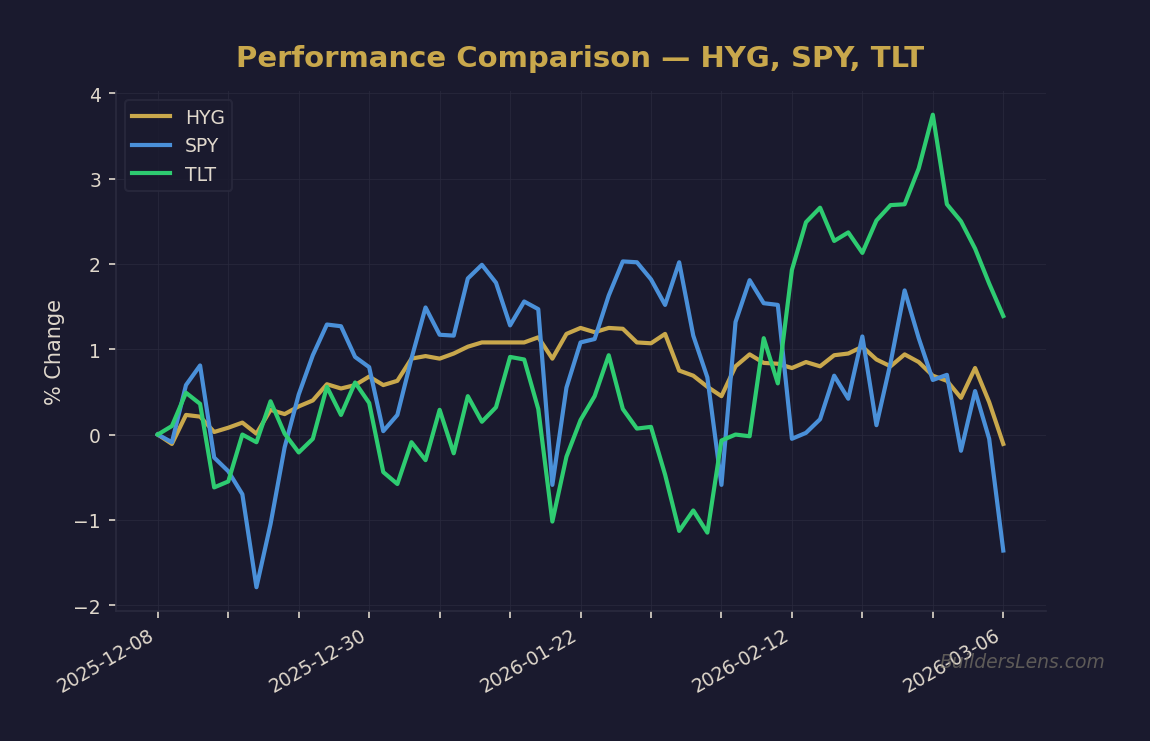
Source: BuildersLens.com Signal Framework | Data as of March 08, 2026
Mechanism one: mortgage rates are expectation-driven
The Federal Reserve influences short-term rates. Mortgage rates reflect longer-term expectations, term premium, and volatility. Stability in policy communication can reduce volatility, but it does not automatically reduce the level of mortgage rates.
This distinction explains why housing can look softer in negotiations without delivering payment relief.
Mechanism two: the lock-in effect restricts supply
Millions of homeowners hold mortgages below four percent. Selling requires stepping into financing above six percent. This raises reservation prices and reduces turnover. Supply does not normalize quickly even when demand cools.
As a result, price discovery becomes slow, selective, and regionally dispersed.
Selective corrections versus systemic stress
We are seeing sharper repricing in segments where carrying costs force decisions. In certain condo markets, rising insurance, association fees, and financing costs compress margins quickly. That is a liquidity signal, not necessarily systemic stress.
Phase mapping: late Phase one with rising Phase two pressure
As of February twenty twenty six, our base case remains late Phase one with increasing Phase two probability.
Date-anchored probability timeline
- Through mid twenty twenty six: roughly fifty-five to sixty-five percent probability of continued selective repricing and uneven transactions.
- By December twenty twenty six: roughly twenty-five to thirty-five percent probability of broader real price stagnation and rising credit sensitivity.
- Into twenty twenty seven: roughly fifteen to twenty-five percent probability of Phase three dynamics, conditional on labor deterioration transmitting into forced selling.
Confirmations versus invalidations
Confirmations
- Inventory rising across more metros
- Sale-to-list ratios below one hundred percent more broadly
- Credit tightening shifting from pricing to availability
- Labor quality weakening
Invalidations
- Sustained inflation decline pulling long yields lower
- Mortgage spreads narrowing meaningfully
- Improving transaction volume alongside stable credit
Bottom line
Housing is not signaling collapse. It is signaling constraint. Buyers may have negotiation leverage, but the payment channel remains restrictive. We remain mechanism-first, probability-based, and confirmation-driven.
Get the Daily Phase Brief
Signal changes, data releases to watch, and today’s regime assessment — delivered every morning before market open.
Join investors tracking the macro cycle. Unsubscribe anytime.
📊 Run Your Own Analysis
Use the BuildersLens 65-Signal Analyzer for live macro positioning:
→ Analyze HYG (High Yield Credit)
This article is for educational and informational purposes only and does not constitute investment advice. Past performance is not indicative of future results. Consult with a qualified financial advisor before making investment decisions.