Research · Macro Regime
Why Housing Isn’t Crashing — The Real Mechanism

Real Estate Market Mechanics in Two Thousand Twenty-Six
Real estate is not one monolithic asset class. Our analysis framework separates
single-family homes, multifamily properties, and other commercial
categories because each responds to supply, demand, financing, and migration patterns
differently. National averages obscure local and submarket dispersion.
Price Movements vs Crash Definitions
A housing market crash, structurally defined, requires widespread default events and
forced liquidations. The observed shift in average single-family prices aligns with a
stabilization phase rather than systemic collapse.
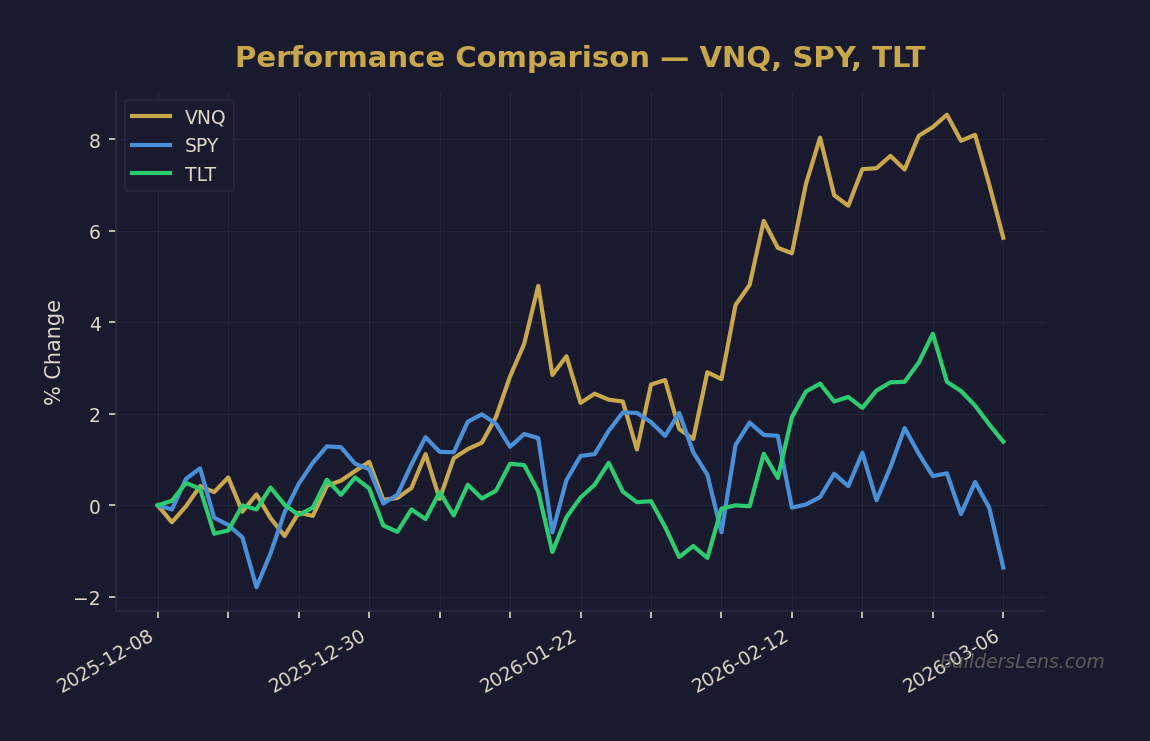
Source: BuildersLens.com Signal Framework | Data as of March 08, 2026
Interest Rates, Refinance, and Liquidity Mechanisms
Most existing mortgages sit below six percent. Small rate changes rarely unlock equity.
Meaningful refinance activity requires a lower long-term rate environment. Recent actions
involving government-sponsored entities buying mortgage securities have helped lower
effective rates and stimulate incremental liquidity.
Supply Timing and Construction Lags
New supply takes time to influence markets. Even with financing cost relief, the
development cycle from permit to occupancy typically spans about a year. This lag means
supply will influence price levels in later cycle phases.
Demand Mechanisms: Household Formation and Migration
Household formation rates and tenure shares (owner vs renter) are fundamental demand
drivers. Migration flows — such as movements from high-cost to lower-cost regions —
alter local demand elasticities and infrastructure pressure points.
Multifamily Operating Discipline
Recent multifamily supply increases created concessions and flat rent dynamics. Resident
behavior is invariant to capital structure, so occupancy and operating expense management
remain primary determinants of cash flow.
Investor-Side Distress vs Consumer Stability
Capital market stress is often investor-side rather than consumer-side. Lender balance
sheets and equity valuations adjust before household-level distress appears. Disciplined
underwriting remains essential.
Signals to Monitor
- Household formation vs tenure share shifts
- Net migration flows relative to local supply additions
- Inventory levels compared to historical baselines
This analysis is focused on structural mechanisms and sequencing. The intent is to clarify
how core drivers interact across categories and geographies rather than make timing or
price predictions.
This content is educational and does not constitute investment advice.
Get the Daily Phase Brief
Signal changes, data releases to watch, and today’s regime assessment — delivered every morning before market open.
Join investors tracking the macro cycle. Unsubscribe anytime.
📊 Run Your Own Analysis
Use the BuildersLens 65-Signal Analyzer for live macro positioning: