Research · Cycle Sequencing & Phases
Why Lower Rates May Not Save Housing This Cycle
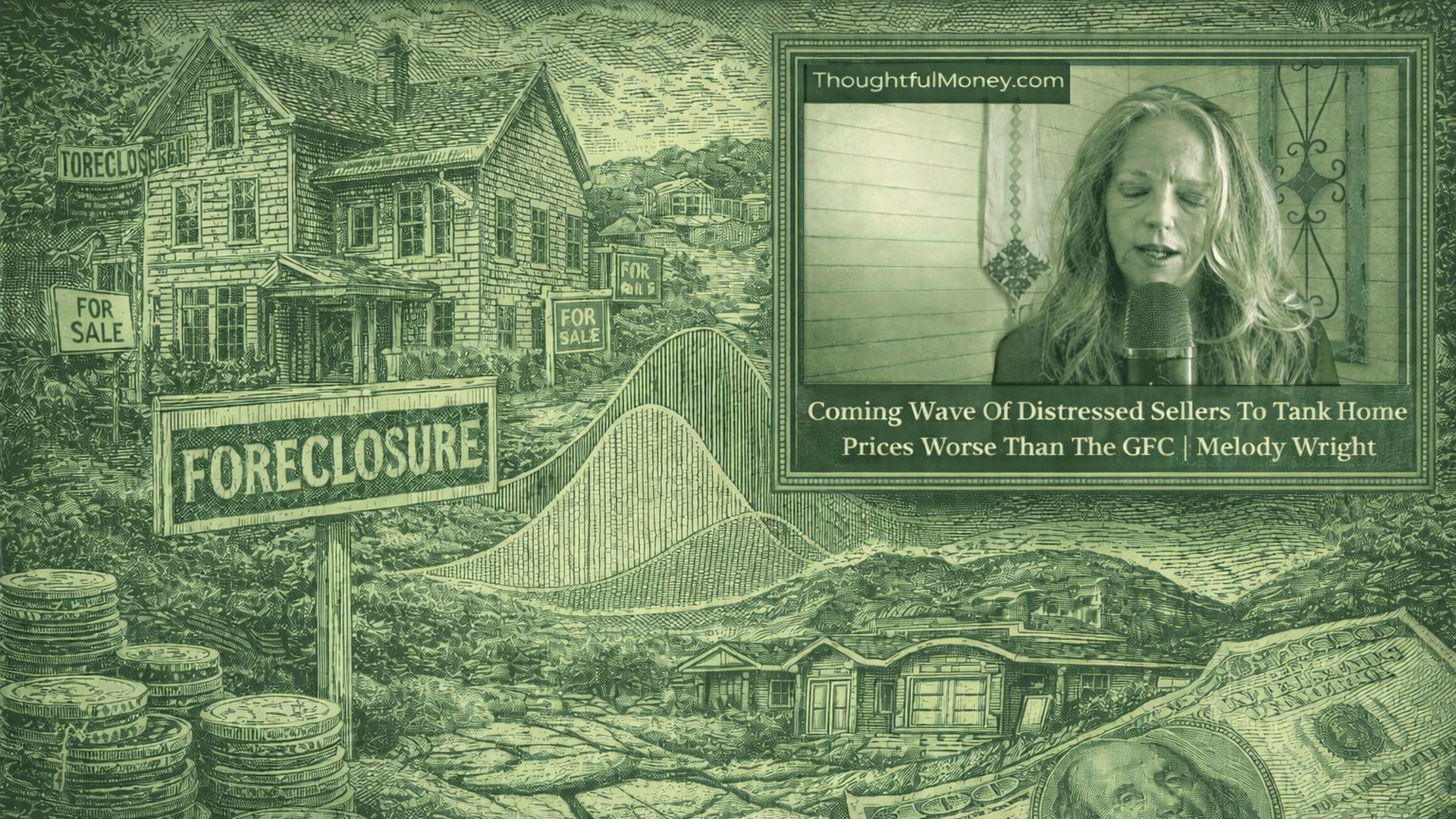
Housing Is Not a Rates Story. It Is a Sequencing Story.
Our Strategy translates this discussion into mechanisms rather than narratives. The dominant public narrative says housing “unfreezes” when mortgage rates fall. In reality the system is constrained by a bundle of affordability inputs: price, rate, property taxes, insurance, maintenance costs, down payment feasibility, and credit availability.
When only one input improves while the others worsen, affordability does not normalize. That is why demand can remain historically weak even during temporary rate relief.
The Core Mechanisms
Mechanism One: Total Payment Burden
Demand in housing is fundamentally a payment decision. If ownership costs remain meaningfully above rents across most markets, marginal buyers rationally delay. In that regime even a decline in mortgage rates may increase refinancing but not purchase demand.
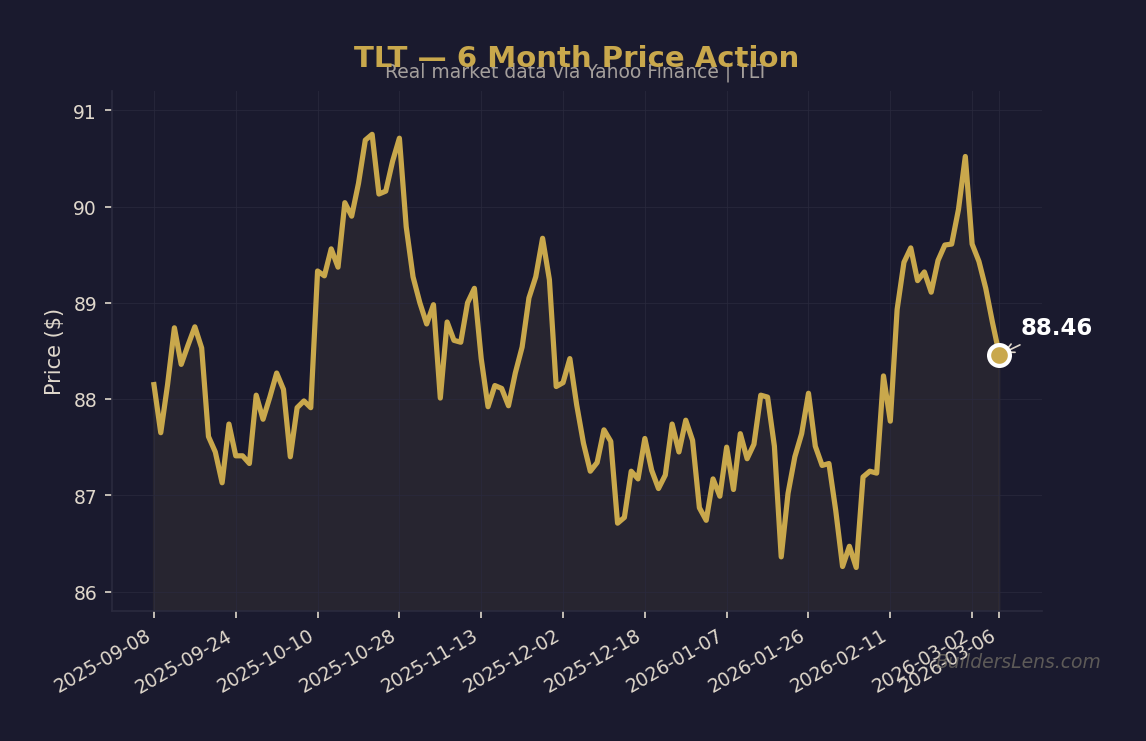
Source: BuildersLens.com Signal Framework | Data as of March 08, 2026
Mechanism Two: Shadow Transactions
A growing portion of housing transactions may be occurring outside the most visible listing channels. Seller financing, private credit lending, and off-market deals can cause official listing data to lag what is actually occurring underneath the market.
Mechanism Three: Demographic Supply
Supply does not only come from construction. It also comes from ownership transitions. As older owners liquidate rental portfolios or estates transfer properties to heirs, homes enter the market through demographic turnover rather than rate sensitivity.
Mechanism Four: Rent Disinflation
Housing prices are influenced by expected rental income. If rents stabilize or decline while ownership costs remain high, investors and households have less incentive to purchase. Over time this shifts negotiating power toward buyers.
Framework Mapping
Our Strategy treats housing as a slow-moving credit asset that typically reprices through time before it reprices through price.
- Current regime: late Phase Two compression
- Near-term probability: continued slow repricing through time
- Next phase risk: broader distress listings leading to price discovery
This does not require a sudden collapse. Housing markets historically adjust unevenly across regions as supply, affordability, and credit availability rebalance.
Signals We Monitor
- Expansion of price reductions across multiple housing markets
- Growth in distressed listings after temporary income buffers fade
- Tightening credit access for new borrowers
- Rent stabilization or decline relative to ownership costs
Conclusion
Housing clears when the payment burden clears. That adjustment can occur through lower prices, higher incomes, looser financing, or a combination of all three.
Understanding the sequence of signals allows observers to move beyond simple narratives about interest rates and instead analyze the housing system as a complex structure shaped by credit, demographics, and affordability dynamics.
📊 Run Your Own Analysis
Use the BuildersLens 65-Signal Analyzer to see live macro positioning for tickers mentioned in this article:
This article is for educational and informational purposes only and does not constitute investment advice. Past performance is not indicative of future results. Consult with a qualified financial advisor before making investment decisions.